
26 Mar Phosphate Coatings
Even though phosphate coatings are very thin, they are strong enough to reduce wear on pistons, gears, and other moving parts. But not only do they provide wear resistance as well as corrosion resistance, but they also offer better lubricant retention and better adhesion for paint or powder coatings.
Let’s compare zinc and magnesium phosphate coatings and see how they stack up against electroplating.
Three Common Reasons for Applying Phosphate Coatings
1: As a surface preparation
In many cases, the coating is applied before painting or powder coating. It gives the surface a better base, which helps the finish hold up longer. That matters when parts are exposed to moisture, dirt, or rough conditions on the job.
2: To lubricate moving parts
Gears, springs, fasteners, and hydraulic components all deal with friction. A phosphate-coated surface holds oil better than bare metal, so lubrication stays in place longer. That can make a real difference in how a part performs over time.
3: As a sacrificial layer
Phosphate coatings are strong yet exceptionally thin. So when a part needs surface protection but still has to fit within strict dimensions, phosphate coating is often the best option.
How Phosphate Coatings Prevent Wear
Mechanical parts do not usually fail all at once. Wear builds over time. Parts slide, rotate, and press together, over and over again for hours every day. Without some kind of surface protection, this repeated contact can cause mechanical failure much sooner than expected.
Phosphate coatings help prevent wear by:
- Reducing metal-to-metal contact: The coating creates a barrier between surfaces. That lowers the chance of direct contact that can lead to scratching, scoring, or galling.
- Improving lubricant retention: The coated surface holds oil and other lubricants better than untreated metal. When lubrication stays where it belongs, friction is easier to manage.
- Supporting smoother break-in periods: New parts often see more friction during early operation. A phosphate coating helps limit surface damage during that stage.
- Providing sacrificial protection: Some of the stress is taken by the coating layer instead of the base metal. That does not stop wear completely, but it can slow it down.
Phosphate Coatings vs. Electroplating
Phosphate coatings are often discussed along with electroplating, but they are not the same thing. Electroplating adds another layer of metal, such as zinc or nickel, to the surface. Phosphate coatings use a different process that converts the surface of the metal itself into a protective layer.
That distinction matters.
Because phosphate coatings are so thin, they protect the surface without changing the dimensions of the part very much. When fit and clearance matter, a thicker treatment is not always the right call.
Phosphate coatings also make it easier for a surface to retain lubricants, which helps cut down on friction during operation. For moving parts like shafts, pistons, gears, and hydraulic components, this can be a major advantage.
Manganese or Zinc? Choosing the Right Type of Phosphate Coating
The two most common types of phosphate coatings are manganese phosphate and zinc phosphate. Here’s how they compare.
Manganese Phosphate
When wear resistance matters most, manganese phosphate is the best choice. It forms a heavier coating, so it is often used on high-friction parts like gears and bearings. Manganese is also a good choice for moving mechanical parts where lubricant retention is important.
Zinc Phosphate
When corrosion resistance and paint adhesion are the main concerns, zinc phosphate will deliver. It creates a lighter coating, but it does a solid job preparing metal surfaces for finishing. That is why it is commonly used on structural parts, fasteners, and components that will be painted or powder-coated later.
Quick Comparison for Decision Makers
- For moving parts that see a lot of friction, manganese phosphate is often the stronger choice.
- If the part needs a finish to bond well or needs added corrosion resistance before painting, zinc phosphate usually makes more sense.
Metal Finishing Services for Industrial Manufacturers
Phosphate coatings can be used to solve many practical problems. They can reduce wear, improve lubrication, and create a better surface for finishing. But depending on the application, there may be other options.
The right treatment depends on how the part will be used, what it will be exposed to, and what kind of performance is expected over time. To find the best protection, it is worth consulting a full-service metal finishing provider.
CRC Surface Technologies provides over 33 different metal finishing services and non-destructive testing for manufacturers nationwide. Contact us to learn more or to request a quote.
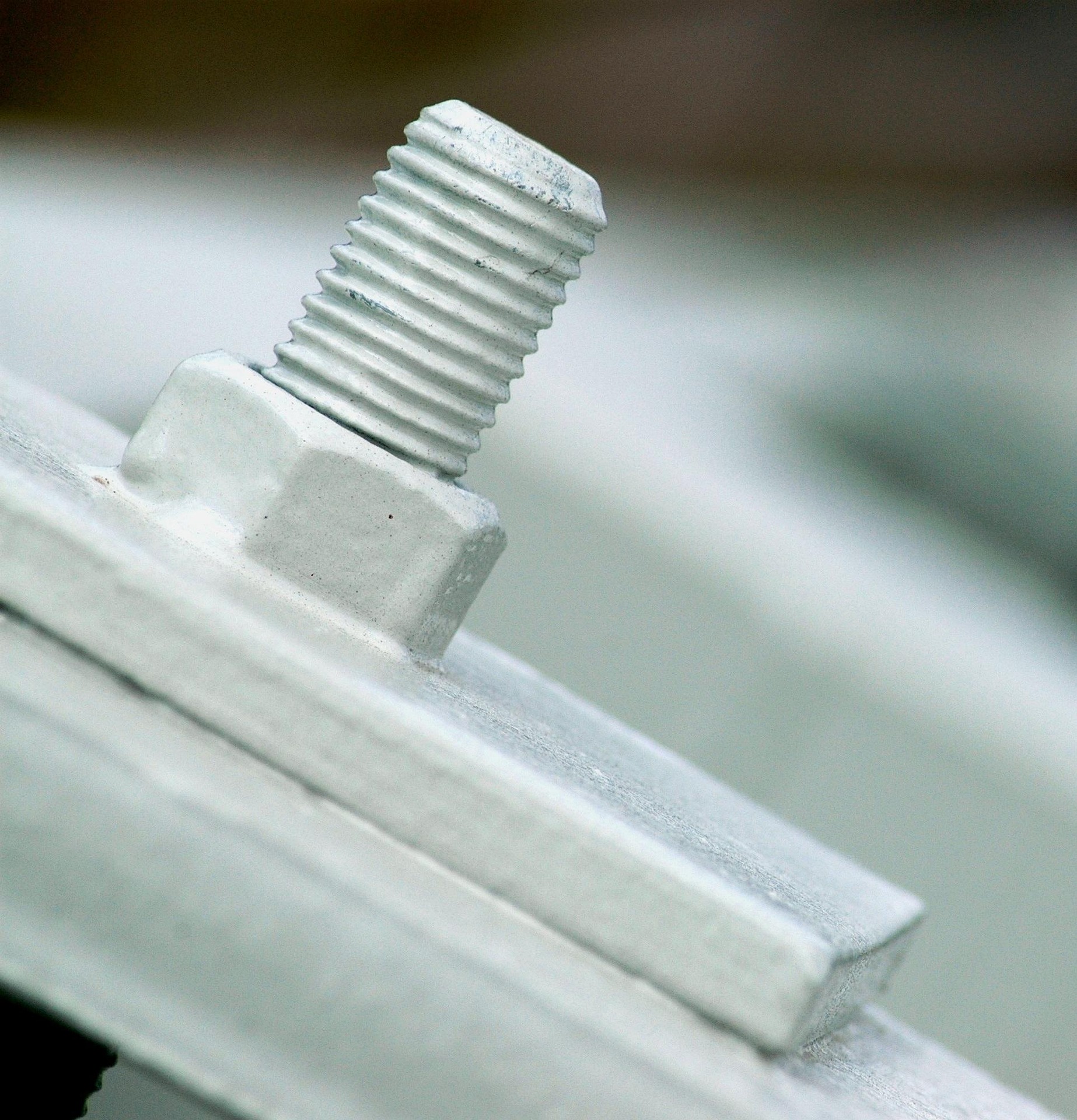
Image by Stadnik from Pixabay used with permission under the Creative Commons license for commercial use 03/26/2026