
21 Jul How Surface Preparation Can Prevent Most Adhesion Problems
Metal finishing takes precision, patience, and careful preparation.
The work done before coating or plating has a direct impact on durability, appearance, and long-term performance. In fact, most adhesion failures come down to poor surface preparation. Coatings fail because of issues like contaminated surfaces and oxidation that prevent a strong bond from forming. But problems like peeling, flaking, pitting, and uneven coverage can usually be prevented.
That’s why we place such a strong emphasis on quality control here at CRC Surface Technologies. Before a part ever reaches the plating bath, it usually needs to go through several preparation steps like abrasive blasting, ultrasonic cleaning, and lab tests.
How Contamination Affects Coating Adhesion
Ask any coating professional what causes adhesion problems, and contamination will almost always make the list. Some contaminants are easy to spot. Dirt, heavy corrosion, and grease typically stand out during inspection. Other problems are much more difficult to identify.
A surface may appear ready for coating but still have traces of moisture or chemical residue from process-related contaminants. Parts may leave production looking acceptable, only for problems such as flaking, pitting, or uneven coverage to appear after the coating has been applied.
By that point, you’re looking at rework, rejected parts, production delays, customer complaints, and additional costs.
How Surface Preparation Prevents Adhesion Problems
When a coating starts peeling or a plated finish begins to fail, many times the coating takes the blame. In reality, the issue may have started long before the coating was applied.
Adhesion depends on contact between the coating and the substrate. If oils, corrosion, oxidation, or other contaminants are present, that bond can be weakened from the start. Removing those barriers gives the coating a much better chance of attaching properly and staying in place over time.
Many manufacturers learn this lesson the hard way. A coating can be applied correctly, yet still fail prematurely because the surface was not adequately prepared beforehand.
Surface Preparation Methods at CRC Surface Technologies
The types of surface preparation needed will depend on the base material, operating environment, the type of coating and the coating requirements.
For example, preparing structural steel for coating is very different from the methods used on precision-machined parts. The condition of the substrate can also influence how well a coating bonds, how long it lasts, and how it performs once the part is placed into service.
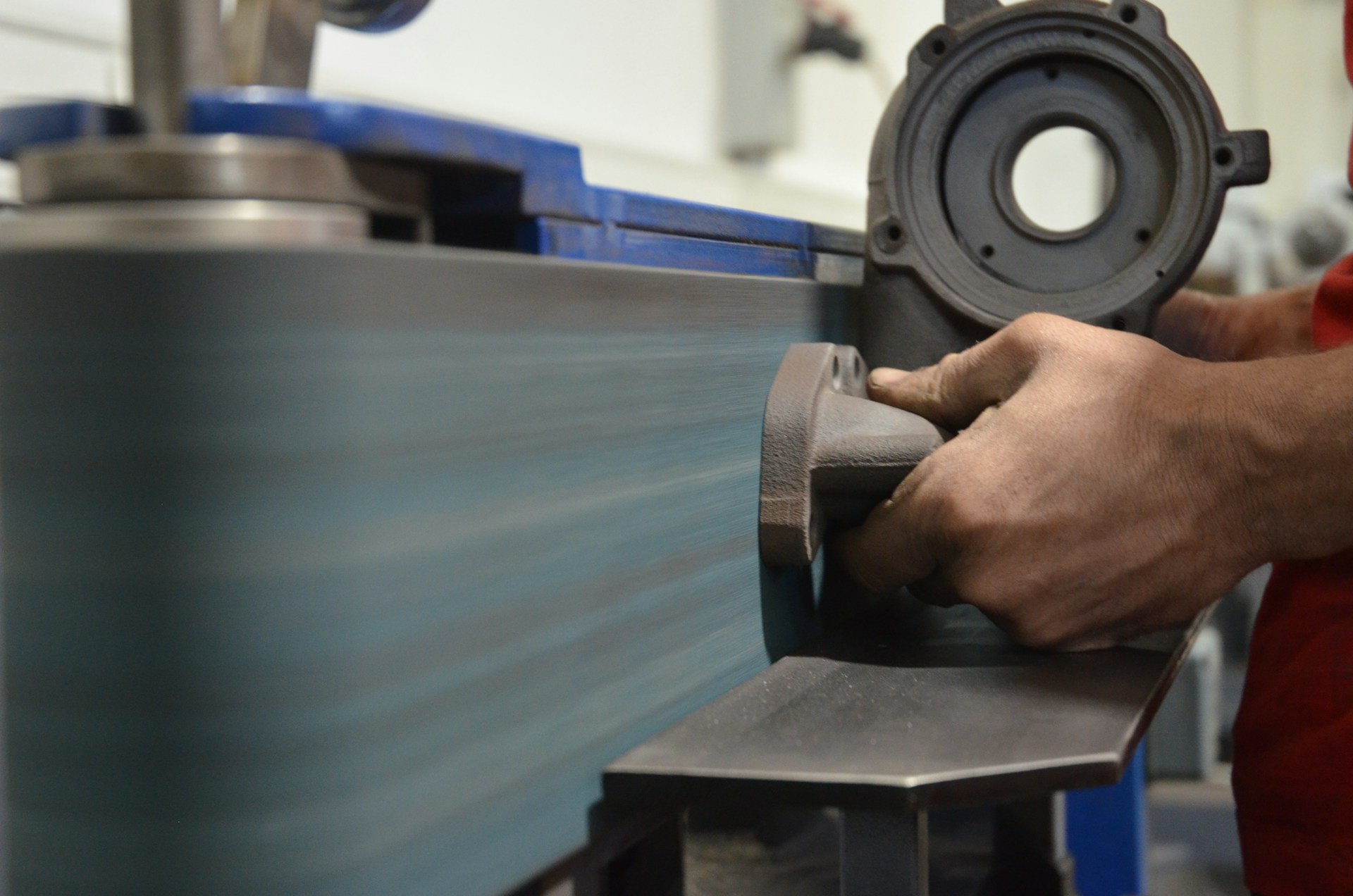
Walk through our finishing facility, and you will likely find several preparation methods in progress, depending on the job at hand. We can perform techniques like:
- Abrasive blasting
- ID/OD grinding
- Non-destructive testing
- Ultrasonic cleaning
- Vapor degreasing
From CARC paint to trivalent chrome, our metal finishing services are all backed by rigorous lab testing and quality control. For consistent, reliable results, contact CRC Surface Technologies in Phoenix.
Author: Gilbert Burgos – VP of Operations
Photo by Media Digital on Unsplash used with permission under the Creative Commons license for commercial use 05/30/2026