
13 Mar A Deep Dive into Non-Destructive Testing (NDT) in Plating Processes
Some defects show up immediately, but others don’t. A coating can look clean and uniform, yet still have weak points that lead to corrosion, wear, or premature breakdown once the part is actually put to work.
And that’s the problem. A quick visual check might say “good to go,” but the real question is whether the coating will hold up in the field.
Non-destructive testing (NDT) gives manufacturers a way to look deeper into the quality of their components without risking any damage. It doesn’t replace in-process controls used during plating, but it does reduce surprises. And it gives you more control over the quality of your final product, especially when a part is expensive, hard to replace, or tied to a tight delivery schedule.
What Does Non-Destructive Testing Involve?
In metal finishing, non-destructive testing basically means inspecting a coated part without cutting it apart, grinding it down, or otherwise ruining it just to prove it’s good. It involves checking for issues that don’t always jump out during routine inspection. Think porosity, pinholes, microcracks, uneven coverage, or adhesion concerns.
Sometimes a coating can look fine but still fail under stress. That’s where NDT earns its keep.
Aerospace is the strictest example, and it’s why NDT gets talked about so often in that sector. But it’s not an aerospace-only tool. You’ll also see NDT used on automotive, defense, oil and gas, electronics, medical, and industrial equipment, too. When reliability matters, non-destructive testing can make a major difference.
Why Non-Destructive Testing Matters
Plating is meant to enhance function. It protects against corrosion, improves wear resistance, supports conductivity, and keeps parts performing longer. When the coating is flawed, the part is much more likely to fail.
Porosity can allow corrosion to start. Adhesion problems can lead to peeling or flaking. Microcracks can spread under load. And inconsistencies in thickness can create weak spots that only show up when a component is under stress.
This is exactly why non-destructive testing should always be a method of quality control in the plating process. It catches problems earlier, when they’re still fixable. It also helps prevent a much worse scenario, like shipping parts that look fine but fail in use.
Benefits of NDT for Aerospace Parts
Aerospace is one of the harshest environments for plated components. Parts deal with vibration, fatigue loading, temperature swings, and long service intervals. That combination puts a lot of pressure on coating integrity.
The benefits of NDT for aerospace parts include:
- Improved reliability by identifying cracks, porosity, and adhesion issues
- Greater confidence in coating performance under high stress conditions
- Lower rework and scrap costs, especially for high-value components
- Clear compliance documentation, including traceable inspection results
Common NDT Methods Explained
In real production environments, inspection choices are usually driven by risk and customer requirements, not theory. There are several methods for non-destructive testing. The right option depends on the type of material a part is made from, its geometry, and which defect you’re trying to prevent. A combination of tests is often the best way to ensure quality and performance.
Visual Inspection (VT)
VT is the first checkpoint in most plating workflows. It flags surface-level defects like pitting, blistering, roughness, discoloration, and visible cracking. It’s quick and practical. But it only catches what can be seen with the human eye.
Dye Penetrant Testing (PT)
PT helps reveal surface-breaking cracks and pinholes. Penetrant is applied, allowed to dwell, removed, and then developed so defects show up clearly. It’s a common method when fine cracking is a concern.
Magnetic Particle Testing (MT)
MT applies to ferromagnetic materials. After the part is magnetized, particles gather around disruptions in the magnetic field, which often indicate cracks or discontinuities. MT is widely used when crack detection is a priority.
Eddy Current Testing (ECT)
ECT uses electromagnetic fields to evaluate conductive materials. It can identify surface and near-surface defects quickly without damaging the part. It’s also useful when components have complex shapes and tight tolerances.
When to Use NDT During the Plating Process
NDT is not just a “final inspection” step. It can be used earlier in the plating process as well.
Many manufacturers perform an inspection before plating to catch substrate cracks or damage that could worsen during processing. Inspections that happen after plating help evaluate coating integrity and check for defects like porosity, cracking, or adhesion problems.
The point is to detect any issues as early in the process as possible, while corrective actions are still manageable.
Best Practices for Implementing Non-Destructive Testing in Plating
NDT is most effective when it’s treated as a built-in quality step, not a last-minute reaction. Consistency matters here. So does documentation. And acceptance criteria need to be clear, otherwise inspection becomes subjective.
- Choose the best testing methods based on the type of material and plating.
- Set inspection checkpoints before plating and after plating as needed.
- Use trained inspectors and calibrated equipment for repeatable results.
- Document outcomes for traceability, audits, and customer requirements.
- Use clear acceptance standards to keep pass/fail decisions consistent.
CRC Surface Technologies Offers Non-Destructive Testing and Expert Plating Services
Plating quality can’t be judged by appearance alone. NDT gives manufacturers more certainty that coatings meet expectations, not just visually but functionally. It supports more consistent outcomes, fewer defects, and better documentation for customers who require verification. And because performance matters, non-destructive testing remains one of the most practical tools available.
For reliable plating backed by strong quality standards, contact CRC Surface Technologies to request a quote.
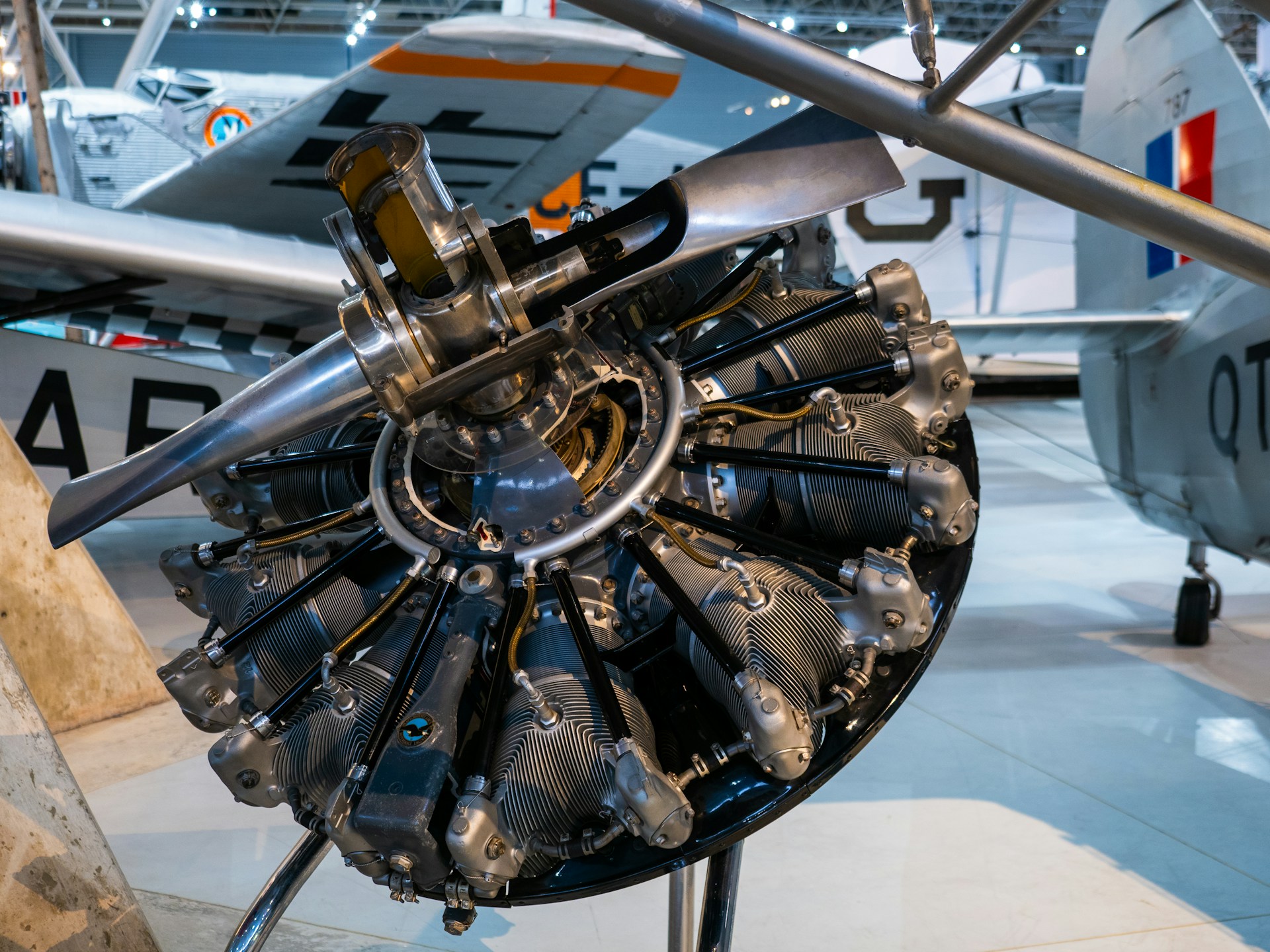
Photo by Cyprien Da Silva on Unsplash used with permission under the Creative Commons license for commercial use 03/13/2026